


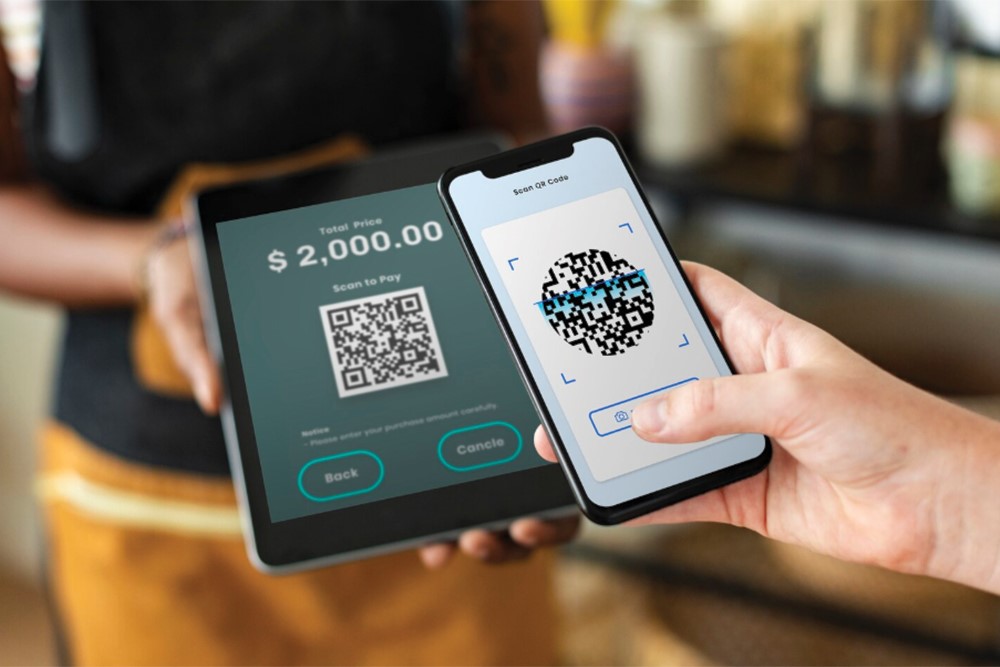

The way people spend money while travelling is changing rapidly, and digital wallets are now leading one of the biggest financial transformations in the global tourism industry. In 2026, travellers are relying less on physical cash and traditional bank cards and more on smartphone-based payment systems that offer speed, convenience, security, and seamless international transactions.
From airports and hotels to restaurants, transportation apps, and retail shopping, digital wallets are becoming deeply integrated into the modern travel experience. The growth of fintech innovation, combined with changing consumer behaviour, is creating a new global payment ecosystem that is reshaping tourism spending patterns worldwide.
Industry analysts report that younger consumers increasingly prefer mobile-first financial services, helping fintech platforms and digital payment systems expand rapidly across travel and hospitality sectors.
The Rise of Cashless Travel
One of the strongest trends shaping travel in 2026 is the movement toward cashless tourism. Travellers now expect instant digital payments almost everywhere they go. Whether booking flights, reserving hotels, ordering food, or paying for local transportation, digital wallets have become part of daily travel behaviour.
Modern travellers are using platforms such as:
- Apple Pay
- Google Pay
- Samsung Wallet
- PayPal
- Cash App
- Regional fintech wallets
The popularity of contactless transactions has accelerated because travellers value convenience and security. Instead of carrying multiple currencies, travellers can make purchases directly through smartphones or wearable devices.
Research into digital payment adoption shows that mobile wallets are increasingly replacing physical wallets among younger consumers, especially Gen Z travellers.
Fintech Companies Are Driving the Boom
The rapid expansion of fintech companies is one of the biggest reasons behind the digital wallet revolution. Fintech firms are competing aggressively with traditional banks by offering:
- Faster international payments
- Lower transaction fees
- Currency conversion tools
- Instant spending notifications
- Travel budgeting features
- AI-powered financial insights
Many travellers now prefer fintech apps because they provide better user experiences than conventional banking systems. Companies are also using Artificial Intelligence to personalize financial recommendations and improve fraud prevention systems.
Recent fintech earnings reports show strong growth in digital banking and payment usage, particularly among younger consumers who prioritize mobile-first financial solutions.
This shift is forcing traditional financial institutions to modernize their digital infrastructure to remain competitive in the travel economy.
Travel Spending Is Becoming More Personalized
Digital wallets are not only changing how travellers pay — they are also changing how companies understand customer behaviour.
Every digital transaction creates valuable consumer data that helps airlines, hotels, and tourism companies personalize services. Businesses can now analyze:
- Spending habits
- Preferred destinations
- Dining preferences
- Shopping patterns
- Booking behavior
This data allows travel brands to create targeted offers and loyalty rewards tailored to individual travellers.
For example, a traveller who frequently spends on luxury dining may receive personalized hotel dining promotions, while adventure-focused travellers may receive recommendations for local tours and outdoor experiences.
The combination of fintech data analytics and AI-powered personalization is becoming a major competitive advantage in tourism marketing.
Cross-Border Payments Are Becoming Easier
One of the biggest frustrations in international travel has traditionally been foreign exchange fees and payment complications. Digital wallets are helping reduce many of these problems.
Modern fintech platforms now support:
- Real-time currency conversion
- Multi-currency digital wallets
- Instant international transfers
- QR-code payments
- Borderless payment systems
These features simplify spending for international travellers while reducing reliance on currency exchange counters and physical cash.
Countries across Asia and Europe are especially leading the expansion of mobile payment ecosystems. Digital wallet adoption in travel-heavy economies continues growing as governments and fintech providers invest in cashless infrastructure.
Security Is Becoming a Major Focus
As digital wallet usage grows, cybersecurity has become one of the most important concerns in the fintech and travel industries.
Travellers store highly sensitive information within mobile payment systems, including:
- Banking credentials
- Passport-linked verification
- Travel bookings
- Digital identification
- Loyalty memberships
To protect users, fintech companies are investing heavily in:
- Biometric authentication
- Facial recognition
- Encrypted transactions
- Fraud monitoring AI
- Multi-factor authentication
Digital wallet technology is also expanding beyond payments into digital identity systems. Several governments and technology providers are developing secure digital identity wallets that may eventually integrate passports, travel documents, and payment systems into a single mobile platform.
In 2026, the fintech boom will not simply change how travellers spend money. It is redefining the entire relationship between technology, finance, and global travel.


