


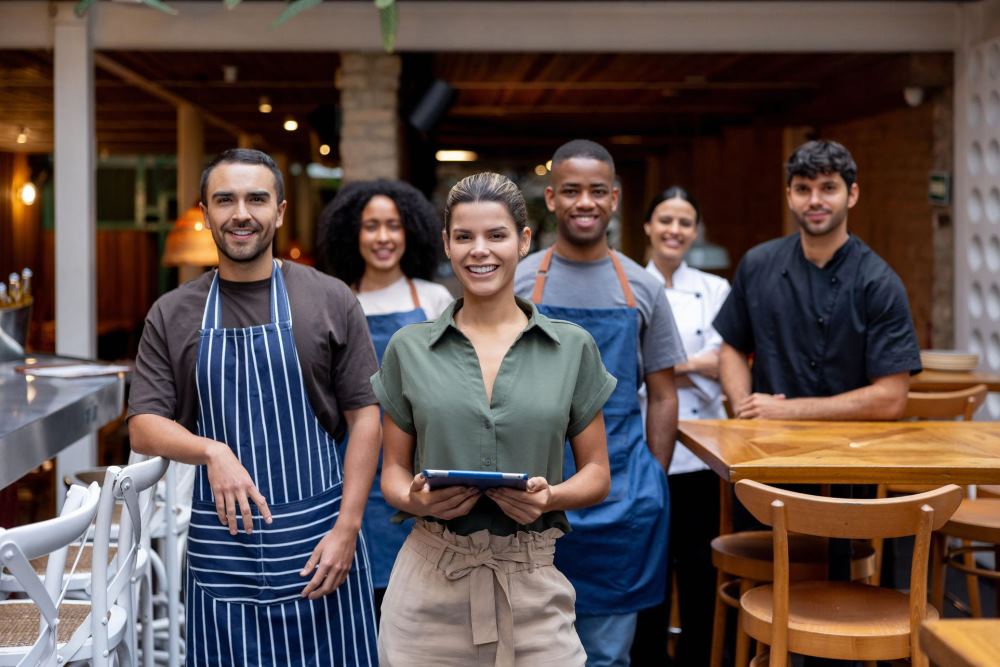


In the fast-paced world of hospitality, the lunch rush can be a defining moment for restaurants, cafes, and eateries. As customers flood in for their midday meal, the need for a high-performance team becomes more critical than ever. Behind every successful lunch service is a well-oiled team that works seamlessly together, providing exceptional customer service, executing orders efficiently, and maintaining a positive environment.
Building a high-performance team isn’t just about hiring skilled individuals; it’s about fostering a culture of collaboration, accountability, and continuous improvement. As the demand for top-tier dining experiences increases, restaurants must focus on developing teams that can handle peak times, adapt to challenges, and maintain quality service at all times.
In this article, we’ll explore key strategies for building a high-performance team that can lead your restaurant through the lunch rush and beyond.
Hiring the Right People: The Foundation of a Strong Team
The first step in building a high-performance team is hiring the right people. Skills and experience are essential, but equally important are qualities such as attitude, work ethic, and team compatibility. During the hiring process, focus on finding individuals who are not only qualified for the role but also fit into your restaurant’s culture.
Consider implementing a structured interview process that assesses both technical abilities (e.g., cooking skills for chefs, customer service for servers) and soft skills (e.g., communication, teamwork, adaptability). Behavioural questions can help gauge how candidates respond to stressful situations, which is crucial for high-pressure periods like the lunch rush.
Additionally, ensure that your hiring process promotes diversity and inclusion, as diverse teams often bring varied perspectives, ideas, and solutions to the table, which is especially valuable in a dynamic environment like a restaurant.
Training and Development: Equipping Your Team for Success
Once you have your team in place, the next step is to ensure they are well-trained and equipped to handle the demands of a fast-paced dining environment. Ongoing training is key to maintaining high performance, especially in a restaurant where the stakes are high and the tempo is fast.
For front-of-house staff, training should go beyond just knowing the menu. It should include customer service skills, handling difficult situations, and learning to work collaboratively with other team members. Role-playing scenarios can help staff prepare for the challenges they’ll face during busy times, such as managing customer complaints or dealing with last-minute changes to orders.
For kitchen staff, training should emphasize efficiency, consistency, and cleanliness. Cross-training kitchen staff in different roles—such as prepping, cooking, and plating—ensures flexibility and allows the kitchen to continue running smoothly if a team member is absent or overwhelmed.
The best teams are those that continue to evolve and improve. Regularly schedule training sessions that reinforce existing skills while also introducing new techniques or technologies that can improve service speed and quality. This could include introducing new kitchen equipment, software for tracking orders, or improved communication tools between front- and back-of-house teams.
Clear Communication: A Key to Efficient Service
Communication is at the heart of any high-performance team. During the lunch rush, clear and effective communication can mean the difference between an organized service and a chaotic one. Front-of-house and back-of-house teams must be able to relay orders, updates, and customer preferences seamlessly, while ensuring that everyone is on the same page.
Daily briefings before shifts can set expectations and clarify roles, ensuring that everyone knows their responsibilities. Encourage open communication by fostering a culture of feedback and respect between staff members. Walkie-talkies or a digital communication system can also help speed up interactions, particularly in larger establishments where face-to-face communication might not always be feasible.
Additionally, real-time order tracking between the kitchen and wait staff ensures that there is no confusion about which orders need to be prioritized. The introduction of POS (point of sale) systems that integrate with kitchen displays can further streamline communication and help teams stay ahead of demand.
Empowering and Motivating Your Team
A high-performance team thrives on motivation and empowerment. The lunch rush can be a stressful and high-pressure time, so it’s important to keep morale high and ensure that each team member feels valued and capable. Recognize hard work and celebrate achievements to keep spirits up during intense moments.
Leverage incentive programs to encourage teamwork and performance. These can range from daily or weekly contests to rewards for exceptional customer service or hitting sales targets. Small incentives, such as gift cards, extra time off, or team outings, can go a long way in motivating your team to perform at their best.
Moreover, empower your staff to make decisions on the fly. Allowing employees to solve problems independently—whether it’s correcting a customer’s meal for a mistake or rearranging the seating plan—builds their confidence and ensures a smoother experience for customers.
Leading by Example: The Role of the Manager
The role of the manager is critical when it comes to building and maintaining a high-performance team. A strong leader should be present during the lunch rush, leading by example and supporting their team. Managers should be calm under pressure, communicative, and solution-focused.
It’s also important for managers to provide feedback and coach their team members regularly. Positive reinforcement and constructive criticism help employees improve, and showing appreciation for their hard work strengthens their commitment to the team.
Additionally, managers should actively monitor performance during peak hours, stepping in to assist with tasks where necessary, whether it’s handling an upset customer, helping clear tables, or guiding kitchen staff through complex orders. A hands-on approach from leadership fosters a sense of unity and teamwork.
Building a Team that Can Handle the Rush
The lunch rush is one of the busiest and most challenging times for restaurants, but with a high-performance team in place, it can also be one of the most rewarding. By focusing on hiring the right people, providing ongoing training, maintaining clear communication, and motivating your team, you can ensure that your restaurant runs smoothly even during the busiest hours.
Creating a high-performance team takes time and effort, but the rewards are substantial. A well-coordinated team not only delivers outstanding customer service but also creates a positive work environment that attracts and retains top talent. With the right leadership and a motivated staff, your team will be equipped to handle any rush, ensuring that both your customers and your business are set up for success.


