


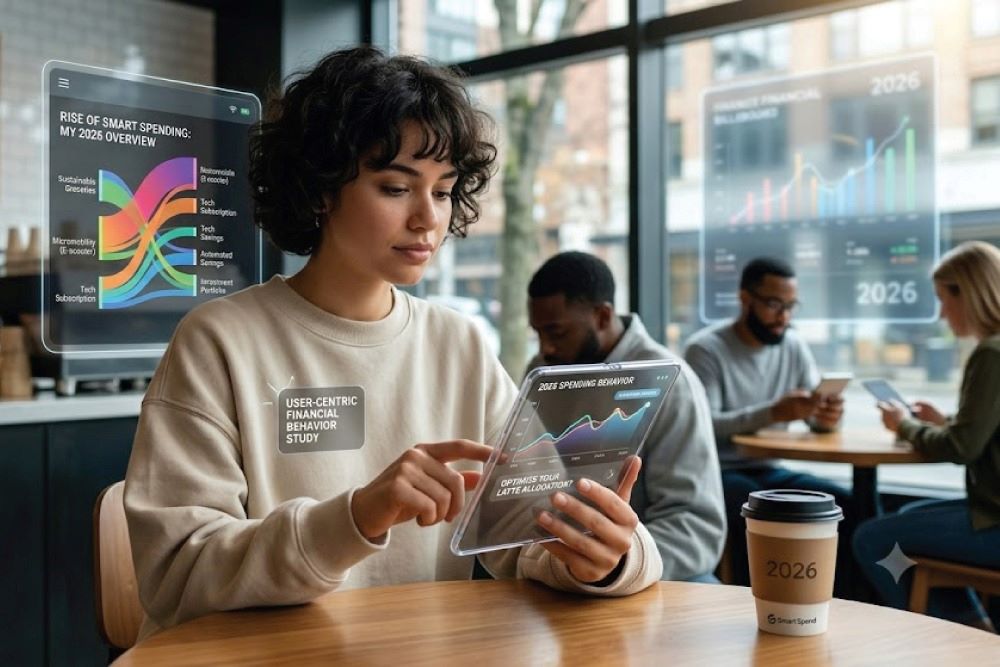


Consumer behaviour in 2026 is being shaped by a new era of financial awareness, digital empowerment, and economic caution. Across global markets, shoppers are becoming increasingly selective about how, where, and why they spend. This shift—often referred to as “smart spending”—is redefining retail strategies and forcing brands to rethink how value is communicated and delivered.
Unlike previous cycles driven primarily by brand aspiration or impulse buying, today’s consumers prioritize financial control, long-term value, and informed decision-making. The widespread adoption of digital financial tools, combined with ongoing economic uncertainty in many regions, has accelerated this transformation.
The Evolution of Consumer Spending Behaviour
Consumer spending patterns have undergone a significant shift over the past decade. Historically, purchasing decisions were influenced heavily by branding, convenience, and emotional appeal. However, modern consumers now approach spending with greater rationality and financial awareness.
This evolution has been driven by multiple factors, including inflationary pressure, increased access to financial information, and the rise of digital budgeting tools. Consumers are more aware of their financial limits and actively monitor their spending habits in real time.
The Role of Digital Financial Tools
One of the most influential drivers of smart spending behaviour is the rapid adoption of digital financial management tools. Mobile banking applications, budgeting platforms, and expense tracking systems have empowered consumers to take greater control of their finances.
These tools provide real-time insights into income, spending patterns, savings goals, and financial forecasts. As a result, consumers are more aware of how individual purchases impact their broader financial health.
Buy-now-pay-later (BNPL) services and flexible payment solutions have also changed how consumers approach affordability. While these tools increase purchasing power, they also encourage more structured and planned spending behaviour.
Value-Driven Purchasing Decisions
In the era of smart spending, value has become the central factor influencing consumer choice. Instead, it encompasses quality, durability, brand trust, customer experience, and long-term benefits.
Consumers are increasingly comparing multiple products before making a purchase, often relying on online reviews, expert recommendations, and peer feedback. This research-driven behaviour has extended the decision-making cycle but has also resulted in more intentional purchases.
Brands that successfully communicate clear value propositions are more likely to earn consumer trust. This includes highlighting product longevity, cost efficiency over time, and additional benefits such as warranties or after-sales support.
Discounts and promotions remain important, but they are no longer sufficient on their own to drive loyalty. Consumers want assurance that they are making financially sound decisions, not just temporary savings.
The Psychology Behind Smart Spending
Smart spending is not purely an economic phenomenon—it is also deeply psychological. Consumers today experience a heightened awareness of financial risk and uncertainty, which influences their purchasing decisions.
This cautious mindset leads to more deliberate and slower decision-making processes. Impulse buying has decreased in many categories as consumers take more time to evaluate options and consider alternatives.
At the same time, smart spending does not eliminate emotional purchasing entirely. Instead, it redefines it. Consumers are more likely to make emotional purchases when they perceive strong value alignment or long-term satisfaction.
Trust plays a critical role in this psychology. Brands that consistently deliver on promises and maintain transparency are more likely to convert cautious consumers into loyal customers.
Flexible Payment Models and Spending Accessibility
Flexible payment options have become a defining feature of modern retail. Services such as installment payments, subscription models, and deferred payment systems have made products more financially accessible to a wider range of consumers.
These models align well with smart spending behaviour by allowing consumers to manage cash flow more effectively. Instead of making large upfront payments, customers can distribute costs over time while maintaining financial stability.
Industry Insights & Market Perspective
Industry experts note that smart spending is reshaping retail strategy across sectors. Businesses are increasingly focusing on value-based positioning, transparent pricing, and long-term customer relationships rather than short-term sales volume.
Data analytics is playing a crucial role in understanding consumer financial behaviour. Retailers are using insights to tailor offers, predict demand patterns, and design pricing strategies that align with consumer expectations.
As consumers become more financially cautious, brands must adapt by offering flexible, meaningful, and clearly communicated value propositions.
The retail landscape is shifting toward a model where trust, transparency, and financial alignment are as important as product quality and innovation.
The rise of smart spending represents a fundamental shift in consumer financial behaviour. In 2026, consumers are more informed, cautious, and value-driven than ever before. This transformation is reshaping how they interact with brands, evaluate products, and make purchasing decisions.
For retailers, success depends on understanding this new mindset and adapting strategies accordingly. Businesses that emphasize value, transparency, and financial flexibility will be best positioned to earn consumer trust and long-term loyalty.


