


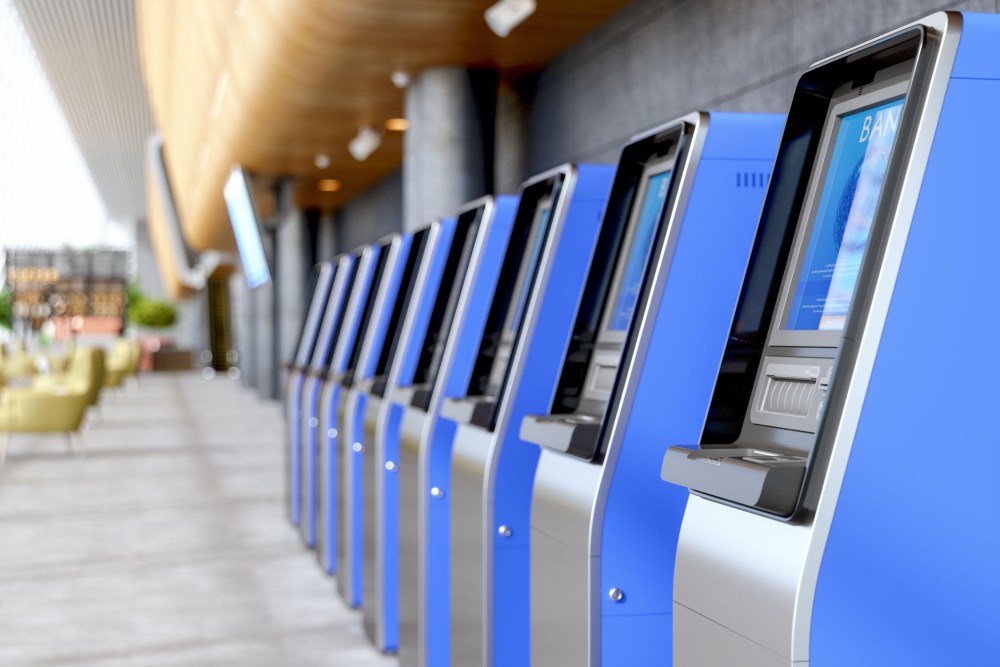

As the world continues to embrace digital payment methods, the question arises: Is cash still king? For businesses in high-traffic dining and tourist zones, the answer remains a resounding yes. While digital payments and mobile wallets are undoubtedly gaining ground, cash continues to hold a significant role in many regions, particularly for tourists, small transactions, and specific consumer groups. One of the main ways restaurants, bars, and tourist attractions ensure they can meet customers’ financial preferences is through ATMs—a staple in high-traffic zones. But what are the latest trends in ATMs, and why are they still crucial for businesses in these bustling areas?
The Enduring Role of Cash
Despite the rise of digital payments and contactless technology, cash remains a preferred option for many consumers, especially in regions with a high volume of tourists or in areas with demographic groups that may not be as inclined toward digital payments. In tourist zones, for example, international visitors may prefer to withdraw cash in local currency for everyday expenses like tips, small purchases, and food and drinks.
ATMs located in restaurants, bars, shopping districts, and tourist hotspots provide convenient access to cash for customers, helping businesses meet a broad spectrum of payment preferences. Notably, ATM accessibility in these high-traffic areas is essential for attracting more foot traffic, ensuring that tourists and locals alike have the financial means to make purchases at any time.
Increasing Demand for ATM Services in High-Traffic Areas
The need for ATM services in high-traffic dining and tourist zones has been growing steadily, fueled by factors like tourism, increased consumer spending, and inconvenient access to banks. Many tourists and local patrons gravitate toward businesses that offer convenient access to cash via nearby ATMs.
In tourist areas, many visitors prefer withdrawing cash from ATMs instead of using credit cards for small purchases or tips. Foreign visitors, who may face foreign exchange fees or issues with international card use, often prefer to withdraw local currency from an ATM at a reasonable exchange rate, adding value to the businesses that provide these services. The visibility of an ATM can therefore significantly enhance customer satisfaction and potentially increase a restaurant or retail establishment’s revenue.
ATM Innovations: A Step Toward Convenience
While traditional ATMs have long been a familiar sight in high-traffic areas, recent trends show a rise in advanced features designed to enhance customer experience and business operations. For example, multi-functional ATMs are becoming more common. These machines offer not just cash withdrawals but also services like balance inquiries, bill payments, and even the ability to transfer funds.
Mobile integrations are also making their way into ATM systems. Some modern ATMs now allow users to complete transactions via mobile wallets like Apple Pay, Google Pay, or QR codes, offering an additional layer of convenience. These systems give customers the ability to withdraw cash from their mobile banking app directly through a connected ATM, catering to both digital-first customers and those who prefer physical currency.
Furthermore, ATM placement has become more strategic. Businesses are increasingly recognizing that ATM placement can impact foot traffic. Placing ATMs in high-visibility areas, such as near restaurant entrances or shopping plazas, makes them easier for customers to find and use. Some restaurants are even integrating ATMs into their service model, offering discounts or loyalty points to customers who use the in-house ATM for transactions.
The Benefits of Having an ATM on Premises
For restaurants, bars, and businesses in tourist zones, offering ATM access can provide several benefits beyond convenience.
- Increased Foot Traffic: Having an ATM on-site attracts not only customers already in the establishment but also passersby who need cash. This can lead to impulse purchases and more frequent visits.
- Lower Credit Card Processing Fees: By encouraging cash withdrawals through an on-site ATM, businesses can reduce their credit card processing fees. This is especially helpful in high-volume areas where card payments are frequent, cutting down on transaction fees that can add up quickly.
- Customer Loyalty and Convenience: By offering ATM access, businesses demonstrate their commitment to customer convenience. In tourist-heavy zones, this may create a more positive perception of the business, making visitors more likely to return.
- Revenue from ATM Fees: Restaurants and tourist attractions can also earn revenue from the transaction fees charged by ATMs. Many ATM providers offer profit-sharing arrangements, where the business can earn a commission on each transaction made through their on-site machines.
Security and Maintenance: Key Considerations
While the benefits of having an ATM on-site are clear, businesses must also consider the security and maintenance of these machines. Regular maintenance and ensuring that the ATM is stocked with cash are essential for minimizing downtime and ensuring customers have access when they need it. Additionally, ATM security is paramount, with businesses needing to implement proper surveillance and monitoring to prevent theft or tampering.
A Valuable Tool for High-Traffic Areas
As digital payments continue to grow, cash remains a vital component of the consumer experience, particularly in high-traffic dining and tourist zones. Offering ATM access is an effective way for businesses to meet diverse customer needs, increase foot traffic, reduce transaction fees, and boost customer satisfaction. With the right integration and maintenance, ATMs remain an enduring and valuable asset to restaurants, bars, and tourist destinations, ensuring that cash stays king in the bustling heart of city life.


