


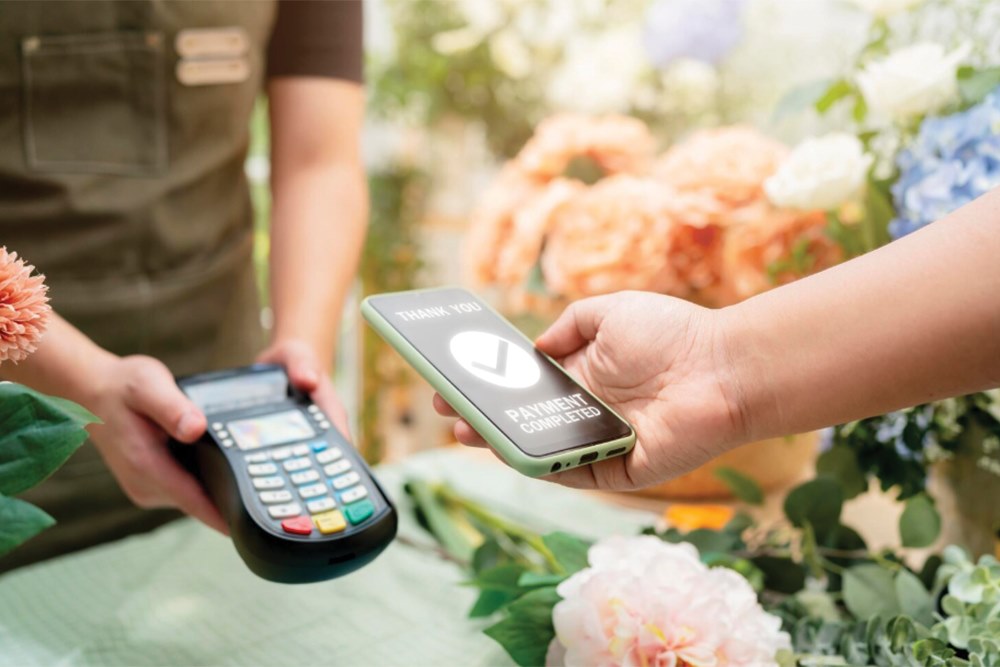


The global summer economy is evolving rapidly as contactless payments become a central part of how consumers shop, travel, dine, and experience entertainment during the busiest seasonal months of the year. From beaches and music festivals to cafes, hotels, transportation systems, and retail stores, tap-to-pay technology is transforming the way people spend money in everyday summer activities.
What was once viewed as a convenience feature has now become an essential part of modern consumer behaviour. Smartphones, smartwatches, digital wallets, and contactless bank cards are replacing traditional cash transactions in many sectors tied directly to tourism, hospitality, recreation, and seasonal retail spending.
As younger generations embrace mobile-first lifestyles and businesses invest in faster payment systems, contactless transactions are becoming one of the strongest forces shaping the summer lifestyle economy in 2026.
The Rise of Fast and Frictionless Spending
One of the biggest reasons contactless payments are growing so quickly is speed. Consumers increasingly value fast, convenient transactions that reduce waiting times and simplify purchases during busy summer periods.
Whether purchasing coffee at a beach café, paying for public transportation, buying festival tickets, or shopping at outdoor markets, customers now expect seamless payment experiences. Contactless systems allow transactions to be completed within seconds, creating smoother customer flow in high-traffic seasonal environments.
Businesses operating in the tourism and hospitality sectors are especially benefiting from this efficiency. Faster payment processing means shorter lines, quicker customer turnover, and improved service experiences during peak summer traffic.
Tourism and Hospitality Are Leading the Shift
The tourism and hospitality industries are among the biggest drivers of contactless payment adoption. Hotels, airlines, restaurants, resorts, amusement parks, and transportation providers are investing heavily in digital payment infrastructure to meet changing traveller expectations.
Modern tourists increasingly expect:
- Mobile check-ins
- Digital room keys
- QR-code ordering
- Tap-to-pay transportation
- Contactless ticketing
- Cashless event experiences
This transformation is helping businesses create more connected and efficient customer journeys while reducing operational delays.
Summer festivals and entertainment events are also moving toward fully cashless systems. Many organizers now use digital wristbands, mobile wallet integration, and app-based purchases to improve crowd management and reduce transaction bottlenecks.
For travellers, contactless systems provide both convenience and security, especially in crowded environments where carrying large amounts of cash may feel uncomfortable.
Younger Consumers Are Driving Digital Spending Habits
Gen Z and younger millennials are playing a major role in accelerating contactless payment adoption. These consumers grew up with smartphones, digital apps, and online shopping, making mobile-based financial behaviour feel natural and intuitive.
Younger travellers often prioritize convenience over traditional banking habits. Instead of carrying cash, they prefer:
- Mobile wallets
- Smartwatch payments
- Peer-to-peer payment apps
- Digital banking platforms
- Buy-now-pay-later travel services
This generation also values speed and flexibility when making purchases during vacations and social outings. As a result, businesses targeting younger demographics are rapidly expanding contactless payment capabilities.
Social media culture is also influencing spending behaviour. Impulse purchases connected to dining, nightlife, entertainment, and travel experiences are easier to complete instantly through digital payment systems.
Small Businesses Are Adapting Quickly
Interestingly, contactless payment growth is not limited to large corporations or global hotel chains. Small businesses operating within the summer economy are increasingly adopting mobile POS systems and tap-to-pay technologies.
Food trucks, pop-up vendors, outdoor markets, local cafés, beach shops, and independent retailers are embracing portable payment solutions that allow businesses to accept digital transactions almost anywhere.
This flexibility is helping smaller businesses compete more effectively during tourism seasons while reducing dependence on cash handling.
Contactless Technology Is Influencing Consumer Psychology
The rise of contactless payments is also changing how consumers psychologically approach spending. Studies in consumer behaviour suggest that digital transactions often feel faster and less emotionally restrictive than physical cash payments.
This shift can encourage:
- Increased impulse spending
- Faster purchasing decisions
- Higher convenience spending
- More frequent micro-transactions
Summer environments naturally encourage lifestyle spending tied to leisure, relaxation, and entertainment. Contactless systems make these purchases easier and more immediate, further fueling seasonal economic activity.
Security and Financial Technology Are Evolving Together
As contactless payment usage expands, cybersecurity and fraud prevention are becoming increasingly important. Financial institutions and fintech companies are investing heavily in secure technologies such as:
- Biometric verification
- Tokenized transactions
- AI fraud monitoring
- Multi-factor authentication
- Encrypted payment systems
Consumers are becoming more confident using contactless payments because modern security systems significantly reduce the risks associated with physical card theft or cash loss.
Wearable payment devices and biometric authentication are also expected to play a larger role in future summer spending experiences, particularly in tourism-heavy environments.
Contactless payments are no longer just changing how people buy things during the summer. They are reshaping the entire rhythm of seasonal lifestyle spending, tourism behaviour, and modern leisure culture.


