


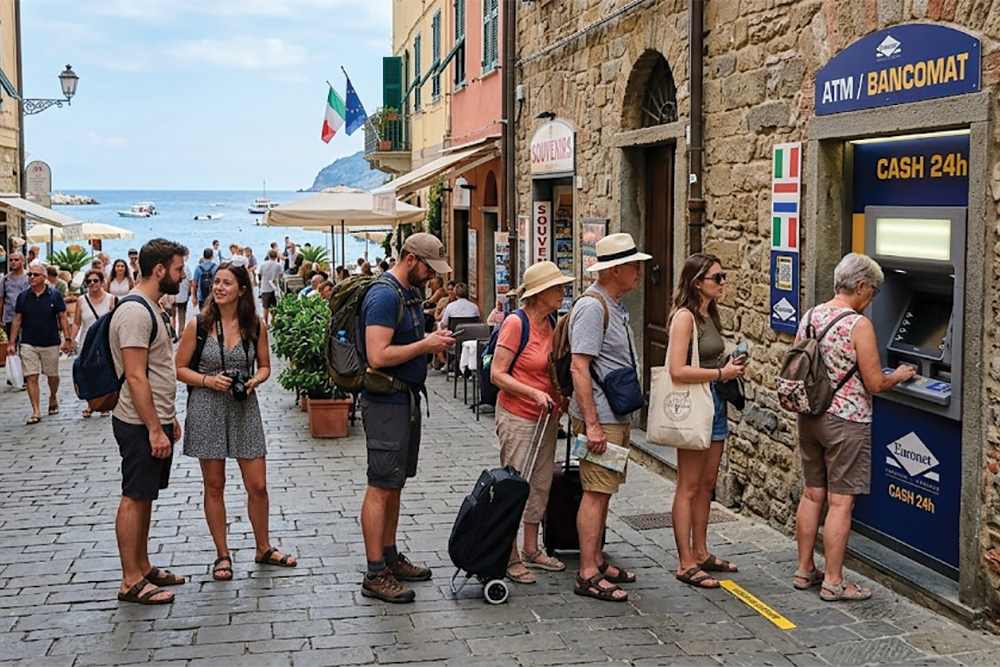

Tourist destinations across the world are experiencing a noticeable rise in ATM transaction activity as global travel continues expanding and consumer spending patterns evolve. From busy downtown entertainment districts and airports to beach resorts, hotels, and seasonal vacation towns, ATM usage is becoming increasingly connected to the recovery and growth of the tourism industry. While digital payment systems and mobile wallets continue gaining popularity, cash access remains an essential part of the travel experience for millions of tourists.
The increase in ATM transaction growth is being driven by a combination of factors, including stronger tourism activity, international travel recovery, seasonal spending, and changing traveller behaviour. Financial institutions, ATM operators, and hospitality businesses are recognizing that cash still plays an important role within tourism economies, especially in locations that depend heavily on visitor spending during peak travel seasons.
Rising Tourism Spending Is Fueling ATM Activity
One of the biggest reasons behind rising ATM transactions is the steady increase in tourism-related consumer spending. Travellers today are spending more money on accommodations, dining, entertainment, transportation, shopping, nightlife, and local experiences. Popular tourism destinations often experience major spikes in economic activity during summer vacations, long weekends, festivals, and holiday periods. As tourist populations increase, demand for fast and convenient access to cash naturally grows alongside it.
Even though contactless payment systems and digital wallets are becoming more common, many tourists still prefer using cash for smaller purchases and everyday spending during their trips. Street markets, local vendors, transportation services, food stalls, tipping, and recreational activities often continue operating heavily through cash transactions. This creates ongoing demand for ATM withdrawals, particularly in areas where tourism activity remains concentrated.
International Travellers Continue Relying on Cash Access
International tourism is also playing a major role in the increase in ATM transaction growth. Foreign travellers frequently rely on ATMs as a safer and more convenient way to access local currency after arriving at their destinations. Instead of carrying large amounts of cash before travelling, tourists often choose to withdraw money directly from ATMs located near airports, hotels, shopping centers, and tourist attractions.
This behaviour helps reduce currency exchange complications while providing immediate financial flexibility during travel. Tourism-heavy regions that attract international visitors typically see especially high ATM transaction volumes during peak travel periods. In many cases, ATM machines located in busy hospitality areas process significantly higher withdrawal activity than machines located in non-tourism zones.
Popular vacation destinations that host international travellers often benefit from continuous transaction growth because tourists require ongoing access to local currency throughout their stays.
Hospitality and Entertainment Sectors Drive Cash Usage
The hospitality and entertainment industries contribute heavily to increased ATM activity. Hotels, resorts, bars, casinos, nightlife districts, festivals, and event venues generate strong demand for cash withdrawals, particularly in destinations where entertainment spending forms a large part of the tourism economy.
Visitors attending concerts, recreational events, cultural festivals, and seasonal celebrations often use ATMs for convenience spending and impulse purchases during their trips. Businesses operating in tourism districts understand that easy access to cash can directly influence consumer spending patterns and overall customer convenience.
Because of this, ATM operators strategically place machines near hotels, restaurants, tourist plazas, event venues, and transportation hubs where visitor traffic remains consistently high.
Seasonal Tourism Creates Transaction Surges
Seasonal tourism patterns further amplify ATM transaction growth. Many recreational communities experience dramatic temporary population increases during vacation seasons. Cottage towns, lakefront destinations, ski resorts, coastal areas, and tourist islands may normally operate with small local populations but suddenly receive thousands of additional visitors during summer or holiday periods.
This seasonal population growth creates substantial pressure on local financial infrastructure, including ATM networks. In some tourism-driven markets, ATM transaction volumes during peak months can increase several times beyond normal yearly averages.
Operators strategically place additional machines in high-traffic areas to capture these seasonal spikes and ensure travellers maintain easy access to cash throughout their visits.
The Hybrid Payment Economy Is Keeping ATMs Relevant
Interestingly, the rise of digital payments has not eliminated the need for cash in tourism economies. Instead, the industry is increasingly operating through a hybrid payment environment where travellers use both digital and physical payment methods depending on the situation.
Many tourists use mobile wallets and bank cards for major purchases such as hotel bookings or airline tickets while still relying on cash for smaller daily expenses. This hybrid payment behaviour is helping ATMs remain highly relevant despite rapid fintech innovation.
Travellers often prefer having multiple payment options available during trips for convenience, budgeting, and emergency spending. Cash also provides a sense of security for tourists visiting unfamiliar destinations where digital payment systems may not always function consistently.
Modern ATM Technology Is Improving the Traveller Experience
Modern ATM systems are evolving alongside tourism trends. Today’s ATM networks increasingly include advanced features such as multilingual interfaces, contactless withdrawals, mobile wallet integration, and real-time monitoring systems designed specifically to improve convenience for travellers.
These technological improvements are making ATM usage faster, safer, and more accessible for both domestic and international tourists. Financial service providers are also using data analytics to better understand tourism traffic patterns and optimize ATM placement in high-performing locations.
As tourism infrastructure becomes more digitally connected, ATM operators are adapting their systems to support modern traveller expectations while maintaining reliable cash access.


