


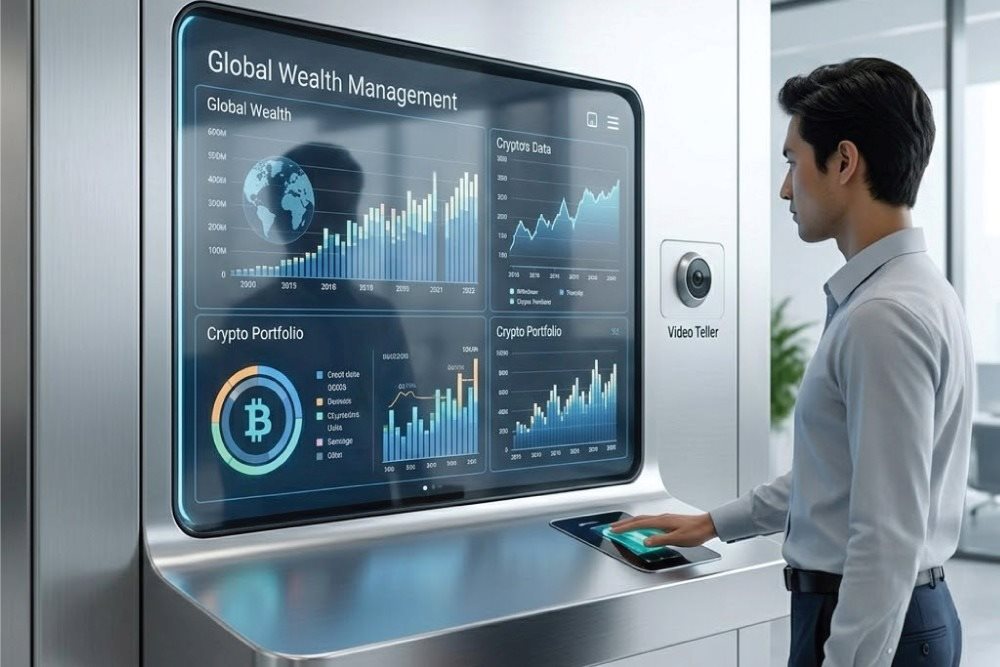

For decades, Automated Teller Machines (ATMs) served a singular purpose: providing convenient access to cash. However, the rapid digitization of financial services is transforming the role of ATMs from simple cash-dispensing machines into sophisticated self-service banking hubs.
As consumers increasingly demand speed, convenience, and seamless banking experiences, financial institutions are reimagining how ATMs can contribute to customer engagement and operational efficiency. Modern ATMs are no longer viewed as standalone machines; they are becoming integral components of broader digital banking ecosystems.
The evolution of ATM technology reflects a larger transformation occurring within the financial services industry—one driven by innovation, customer expectations, and the growing influence of digital banking.
The Changing Role of ATMs
Consumer banking habits have changed significantly over the past decade. Mobile banking applications, digital wallets, and online financial services have reduced the need for traditional branch visits. Despite this shift, ATMs continue to play an important role in delivering accessible banking services.
Today’s consumers expect more than cash withdrawals. They seek banking solutions that are available around the clock and capable of handling a variety of transactions without requiring interaction with branch personnel.
As a result, financial institutions are expanding ATM capabilities to include services such as account management, bill payments, cardless transactions, fund transfers, check deposits, and customer verification processes.
These enhanced capabilities are transforming ATMs into comprehensive self-service banking centers.
Digital Transformation in Self-Service Banking
Digital transformation is at the heart of ATM modernization. Financial institutions are investing in advanced software, cloud-based technologies, and integrated banking platforms that enable ATMs to offer a wider range of services.
Modern machines can now connect directly with mobile banking applications, allowing customers to initiate transactions through smartphones and complete them securely at ATM terminals. Cardless cash withdrawals, QR-code authentication, and biometric verification are becoming increasingly common.
This integration between physical and digital banking channels creates a more seamless customer experience while supporting broader digital transformation initiatives within financial institutions.
The result is a banking environment where convenience and accessibility are significantly enhanced.
Enhancing Customer Experience Through Innovation
Customer experience has become a key differentiator in the banking sector. Consumers increasingly evaluate financial institutions based on ease of access, service quality, and digital convenience.
Advanced ATM technologies are helping banks improve customer satisfaction by reducing wait times and simplifying transaction processes. Intelligent user interfaces, multilingual support, touchscreen navigation, and personalized transaction recommendations are making self-service banking more intuitive.
Artificial intelligence is also beginning to influence ATM interactions. AI-driven systems can provide contextual assistance, identify customer preferences, and deliver tailored financial recommendations during transactions.
As customer expectations continue to rise, banks that invest in innovative ATM experiences will be better positioned to strengthen customer loyalty.
Security in the Digital Banking Era
As ATM capabilities expand, cybersecurity and fraud prevention have become critical priorities. Financial institutions must ensure that enhanced functionality does not compromise customer security.
Modern ATM systems utilize advanced encryption technologies, real-time fraud detection tools, biometric authentication, and multi-factor verification mechanisms to protect transactions.
Artificial intelligence and machine learning are also playing increasingly important roles in identifying suspicious activity and preventing unauthorized access.
Consumer trust remains fundamental to banking success. Financial institutions that prioritize security while delivering convenient digital experiences will maintain stronger customer relationships and reduce operational risks.
The Business Benefits for Financial Institutions
The modernization of ATM networks provides significant benefits beyond customer convenience. Advanced self-service banking solutions can help financial institutions improve operational efficiency and reduce costs associated with branch operations.
Routine transactions that once required staff assistance can now be completed independently through intelligent ATM systems. This allows bank employees to focus on higher-value customer interactions such as financial planning, lending, and advisory services.
Additionally, modern ATMs generate valuable customer data that can help banks better understand consumer behaviour and identify opportunities for product development and personalized marketing.
The strategic value of ATM networks is increasingly extending beyond transaction processing.
Financial Inclusion and Accessibility
One of the most important contributions of modern ATM technology is its potential to support financial inclusion. In many regions, physical bank branches remain limited, particularly in rural and underserved communities.
Advanced ATMs provide access to essential banking services without requiring extensive branch infrastructure. Through digital connectivity and expanded service offerings, financial institutions can reach broader populations and improve access to financial services.
This capability is particularly valuable in emerging markets where financial inclusion remains a key economic development priority.
As technology becomes more affordable and accessible, ATM networks can play an important role in bridging financial accessibility gaps.
The evolution of ATMs reflects the broader transformation of the banking industry. What began as a tool for cash access has become a sophisticated platform for delivering modern financial services.
By integrating advanced technologies, improving security, and expanding service capabilities, banks are repositioning ATMs as essential components of the digital banking ecosystem.
As financial institutions continue their digital transformation journeys, ATMs will remain highly relevant—not because of their ability to dispense cash, but because of their ability to deliver convenient, secure, and intelligent banking experiences in an increasingly connected world.


