



The retail landscape is undergoing one of the most significant transformations in its history. Today’s consumers no longer distinguish between online and offline shopping channels. Instead, they expect a seamless, personalized, and convenient experience regardless of where and how they interact with a brand. This shift has accelerated the adoption of omnichannel retail strategies, forcing businesses to rethink traditional models and place customer experience at the center of their operations.
As digital technologies continue to evolve, retailers are investing heavily in integrated platforms that connect physical stores, e-commerce websites, mobile applications, social commerce channels, and customer service touchpoints. The result is a retail environment where convenience, speed, and personalization are becoming key competitive differentiators.
The Rise of the Connected Consumer
Modern consumers are more informed and digitally connected than ever before. Before making a purchase, shoppers often compare prices online, read reviews, watch product demonstrations, and seek recommendations through social media platforms.
This behaviour has created a customer journey that spans multiple touchpoints. A customer may discover a product on Instagram, research it through Google, visit a physical store to examine it, and finally complete the purchase through a mobile application. Retailers that fail to provide a consistent experience across these channels risk losing customers to more agile competitors.
The connected consumer expects brands to remember preferences, purchase history, and interactions across all platforms. As a result, retailers are increasingly adopting integrated customer relationship management systems and data-driven personalization strategies.
Personalization Is Becoming the New Standard
Personalization is no longer a premium feature—it has become an expectation. Advances in artificial intelligence and data analytics are enabling retailers to deliver highly targeted experiences based on individual preferences and behaviour patterns.
From personalized product recommendations to customized marketing campaigns, retailers are using customer data to improve engagement and increase conversion rates. Consumers are more likely to respond positively to brands that understand their needs and offer relevant solutions at the right time.
Leading retailers are leveraging predictive analytics to anticipate customer demand, optimize inventory levels, and create tailored shopping experiences that drive long-term loyalty.
The Role of Physical Stores in an Omnichannel World
Despite the rapid growth of e-commerce, physical stores remain a critical component of the retail ecosystem. However, their role is evolving.
Today’s retail stores are increasingly functioning as experience centers rather than purely transactional spaces. Customers visit stores to interact with products, seek expert advice, and engage with brands in meaningful ways.
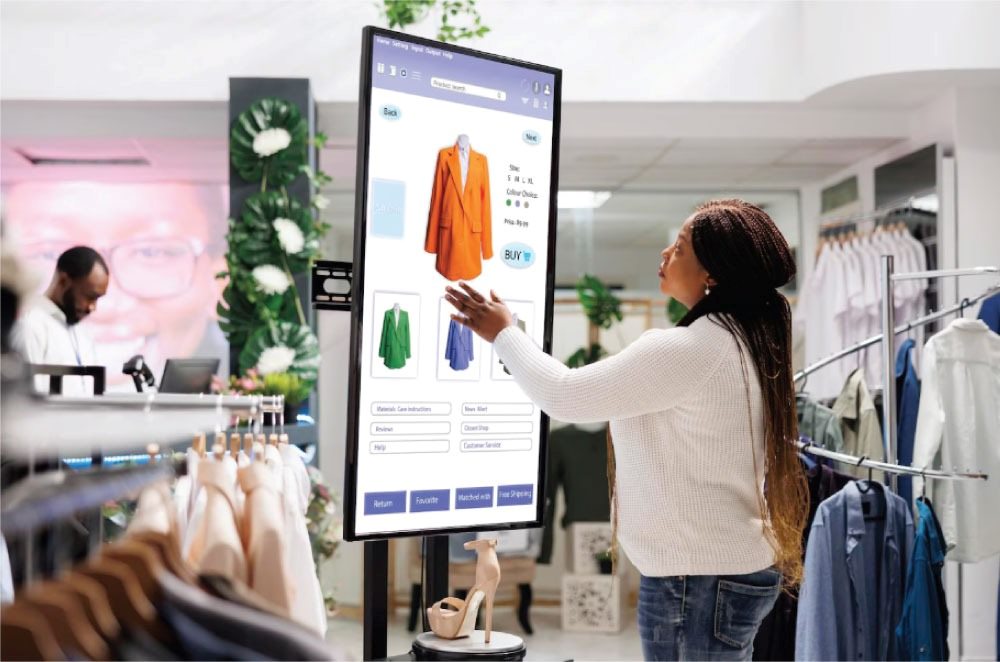
Innovative retailers are integrating technology into the in-store experience through smart shelves, digital kiosks, contactless payment systems, and augmented reality applications. These enhancements help bridge the gap between physical and digital retail while improving customer satisfaction.
Buy-online-pickup-in-store services and same-day delivery options have also become important features that connect online convenience with physical retail infrastructure.
Artificial Intelligence and the Next Phase of Retail
Artificial intelligence is rapidly transforming every aspect of retail operations. AI-powered tools are helping businesses automate customer service, optimize pricing strategies, forecast demand, and personalize shopping experiences.
Meanwhile, machine learning algorithms are helping retailers analyze vast amounts of consumer data to identify emerging trends and opportunities.
As AI technologies continue to mature, retailers will gain even deeper insights into consumer behaviour, enabling them to make faster and more informed business decisions.
Supply Chain Agility as a Competitive Advantage
Consumer expectations for faster delivery and greater product availability are placing increased pressure on retail supply chains. Businesses must now balance efficiency, resilience, and flexibility to meet evolving market demands.
Retailers are investing in automation, warehouse optimization, and real-time inventory management systems to improve operational performance. The ability to quickly adapt to changing consumer preferences and market conditions is becoming a critical success factor.
Companies that build agile supply chains are better positioned to manage disruptions, reduce costs, and deliver superior customer experiences.
Looking Ahead
The future of retail belongs to organizations that can successfully integrate digital innovation with customer-centric strategies. Omnichannel retail is no longer a trend—it has become the foundation of modern commerce.
Businesses that embrace personalization, invest in technology, and create seamless customer journeys will be best positioned to thrive in an increasingly competitive marketplace. As consumer expectations continue to evolve, retailers must remain agile, innovative, and responsive to maintain relevance and drive sustainable growth.
The omnichannel revolution is reshaping the retail industry at an unprecedented pace. Consumers expect flexibility, convenience, and personalized experiences across every touchpoint. Retailers that understand and respond to these expectations will gain a significant competitive advantage. In the years ahead, success will depend not only on what businesses sell but also on how effectively they connect with customers across the entire shopping journey.


