


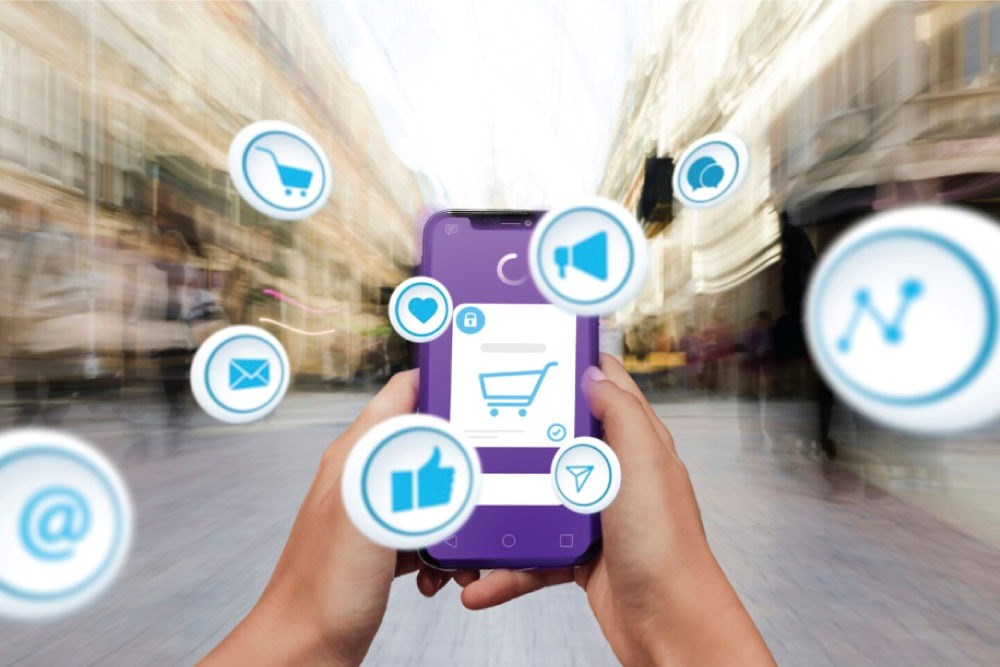

The retail industry is undergoing one of the most significant transformations in its history. Driven by rapid technological innovation, changing consumer expectations, and the continued growth of digital commerce, retailers are being forced to rethink traditional business models. The modern consumer is more connected, informed, and empowered than ever before, creating both opportunities and challenges for businesses seeking to remain competitive in an increasingly digital marketplace.
E-commerce has evolved far beyond being an alternative shopping channel. It has become a central component of the customer journey, influencing how consumers discover products, compare options, make purchasing decisions, and interact with brands. At the same time, consumer behaviour continues to shift in response to economic conditions, technological advancements, and lifestyle changes. Understanding these evolving trends is essential for retailers looking to drive growth, strengthen customer relationships, and maintain relevance in a rapidly changing environment.
As digital commerce continues to reshape the retail landscape, businesses must adapt to a new era where convenience, personalization, and customer experience define success.
The Rise of the Digital Consumer
Today’s consumers are fundamentally different from those of previous generations. The widespread adoption of smartphones, high-speed internet, and digital payment solutions has created a highly connected consumer base that expects instant access to products and information.
Modern shoppers conduct extensive research before making purchases. They compare prices, read reviews, watch product demonstrations, and seek recommendations through social media and online communities. This behaviour has significantly increased the importance of digital touchpoints throughout the purchasing process.
Consumers are also becoming increasingly comfortable with online transactions across a wide range of product categories. What was once limited to electronics and books now includes groceries, fashion, healthcare products, luxury goods, and even automotive purchases.
This shift toward digital-first behaviour is encouraging retailers to prioritize online engagement and invest in technologies that support seamless digital experiences.
Personalization Becomes a Customer Expectation
One of the most influential retail trends shaping consumer behaviour is the growing demand for personalization.
Advances in artificial intelligence and data analytics have made personalization more sophisticated and accessible than ever before. Retailers can now analyze customer behaviour, purchase history, and browsing patterns to provide customized product recommendations, targeted promotions, and personalized communications.
Personalization enhances the shopping experience by reducing decision fatigue and increasing relevance. Customers are more likely to engage with brands that offer products and services aligned with their individual interests.
Mobile Commerce Continues to Expand
Mobile devices have become central to the retail experience. Smartphones are no longer used solely for communication; they have evolved into powerful shopping tools that enable consumers to browse, compare, purchase, and review products anytime and anywhere.
Mobile commerce, commonly referred to as m-commerce, continues to experience strong growth as consumers increasingly rely on mobile applications and responsive websites for shopping activities. Retailers are optimizing digital platforms to ensure fast loading times, intuitive navigation, and secure payment options.
The convenience of mobile shopping aligns perfectly with modern consumer lifestyles. Whether researching products during a commute or making purchases from home, customers expect a seamless mobile experience.
Social Commerce and Influencer-Driven Purchasing
Social media platforms have evolved from communication tools into powerful retail ecosystems. Consumers are increasingly discovering products through social content, influencer recommendations, and interactive shopping experiences.
Social commerce allows users to browse and purchase products directly within social media environments, reducing friction in the customer journey. This integration has transformed how brands engage with audiences and generate sales.
Influencers play a particularly important role in shaping purchasing decisions. Their ability to create authentic connections with followers often generates higher levels of trust than traditional advertising campaigns.
The Growing Importance of Omnichannel Experiences
Although e-commerce continues to grow, physical retail remains an important part of the consumer journey. Rather than replacing traditional stores, digital commerce is encouraging the development of integrated omnichannel experiences.
Consumers may research products online, visit a physical location for evaluation, and complete the purchase through a mobile application. Others may buy online and collect items in-store.
This interconnected behaviour requires retailers to integrate inventory systems, customer data, marketing efforts, and fulfillment operations. A fragmented experience can lead to frustration and lost sales opportunities.
Successful retailers are creating unified ecosystems that allow customers to move seamlessly between channels without disruption. Omnichannel strategies improve convenience, enhance customer satisfaction, and strengthen brand loyalty.
In today’s retail environment, channel integration has become a fundamental expectation rather than a competitive advantage.
The transformation of retail is being driven by two powerful forces: evolving consumer behaviour and the continued expansion of e-commerce. Today’s consumers demand convenience, personalization, transparency, and seamless experiences across every touchpoint. As digital technologies continue to reshape the shopping journey, retailers must remain agile and responsive to changing expectations.
Organizations that embrace innovation, invest in customer understanding, and develop integrated omnichannel experiences will be better equipped to thrive in the modern retail environment. The future of retail belongs to businesses that recognize technology alone is not enough; true success lies in using it to create meaningful, personalized, and engaging experiences for consumers.


