


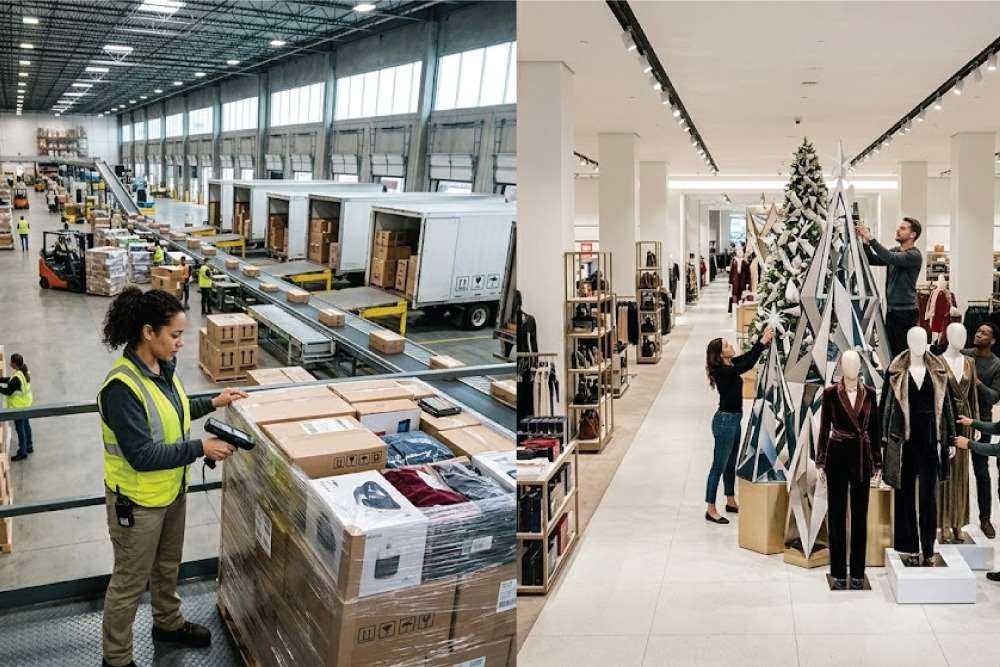

The final quarter of the year has always represented the most critical period for retailers, but Q4 2026 presents a landscape unlike any before. Rapid technological advancement, changing consumer priorities, and heightened competition have transformed the retail environment into a highly dynamic marketplace. Today’s consumers expect more than attractive discounts; they demand seamless shopping experiences, personalized engagement, faster delivery, and consistent service across every channel.
As inflationary pressures continue to influence spending habits and digital commerce becomes increasingly integrated into everyday life, retailers are under pressure to optimize operations while maintaining customer satisfaction. Businesses that successfully align their strategies with evolving consumer expectations will not only maximize seasonal revenue but also strengthen long-term customer relationships. Understanding the key retail trends shaping Q4 2026 is essential for organizations seeking to gain a competitive advantage during the year’s busiest shopping season.
The Evolution of the Modern Holiday Shopper
Consumer behaviour has undergone a significant transformation over the past decade. The modern holiday shopper is digitally connected, highly informed, and more selective than ever before. Before making a purchase, customers often compare prices, read reviews, explore social media recommendations, and evaluate delivery options.
Unlike previous generations, today’s consumers prioritize convenience alongside value. They expect retailers to provide a frictionless shopping experience regardless of whether they are purchasing through a website, mobile application, social media platform, or physical store. This shift has elevated customer experience from a competitive advantage to a business necessity.
Retailers must recognize that purchasing decisions are increasingly influenced by convenience, trust, and personalization rather than price alone. Brands that understand these changing priorities are better positioned to capture consumer attention during the peak season.
AI and Data-Driven Retail Operations
Artificial intelligence has emerged as one of the most influential forces shaping retail operations in 2026. During peak shopping periods, AI-powered solutions help retailers manage inventory, forecast demand, optimize pricing, and personalize customer interactions.
Predictive analytics enables businesses to anticipate purchasing patterns based on historical data, consumer trends, and market conditions. This allows retailers to maintain optimal stock levels, reducing the risk of both inventory shortages and excess inventory.
AI-driven recommendation engines are also transforming customer engagement. By analyzing browsing behaviour and purchase history, retailers can offer personalized product suggestions that improve conversion rates and increase average order value.
Omnichannel Retail Becomes the Standard
The distinction between online and offline shopping continues to blur. Consumers no longer view retail channels separately; instead, they expect a unified experience across every touchpoint.
Omnichannel retail strategies have become essential for businesses preparing for Q4 2026. Customers may discover products on social media, compare prices online, visit a physical store to evaluate, and complete their purchase via a mobile application. Retailers that fail to provide consistency throughout this journey risk losing potential sales.
Successful retailers are investing in integrated commerce platforms that synchronize inventory, customer data, marketing campaigns, and fulfillment operations. Features such as buy-online-pick-up-in-store (BOPIS), curbside collection, and real-time inventory visibility have become standard expectations rather than premium services.
The ability to create a seamless shopping experience across multiple channels will be a defining factor in peak-season performance.
Inventory Management and Supply Chain Agility
One of the greatest challenges retailers face during the peak season is balancing inventory availability with operational efficiency. Unexpected demand fluctuations, supply chain disruptions, and shifting consumer preferences can significantly impact profitability.
In response, many retailers are adopting more agile supply chain models. Advanced forecasting tools, real-time inventory monitoring, and diversified supplier networks help organizations respond quickly to changing market conditions.
Retailers are also increasingly utilizing micro-fulfillment centers and regional distribution hubs to improve delivery speed and reduce transportation costs. These operational improvements not only enhance customer satisfaction but also contribute to greater resilience during periods of intense demand.
Organizations that prioritize supply chain visibility and flexibility are better equipped to navigate uncertainty while maintaining service quality.
Last-Mile Delivery as a Competitive Differentiator
Delivery speed has become one of the most influential factors affecting consumer purchasing decisions. Customers increasingly expect same-day or next-day delivery options, particularly during the holiday season when time-sensitive purchases are common.
As a result, last-mile delivery has evolved from a logistical function into a strategic business differentiator. Retailers are investing heavily in route optimization technologies, local fulfillment networks, and innovative delivery solutions to meet rising expectations.
Transparency is equally important. Consumers want real-time tracking, accurate delivery estimates, and proactive communication throughout the fulfillment process. Businesses that provide reliable and convenient delivery experiences are more likely to earn customer trust and encourage repeat purchases.
Industry Insights & Market Perspective
Industry analysts predict continued growth in digital commerce throughout Q4 2026, driven by mobile shopping, social commerce, and AI-powered personalization. At the same time, consumers are becoming increasingly value-conscious, seeking a balance between affordability and quality.
Retailers that successfully combine operational efficiency with customer-centric experiences will outperform competitors. Investment in technology, supply chain resilience, and omnichannel capabilities is no longer optional—it is fundamental to long-term growth.
The most successful organizations will be those that view peak season preparation not merely as a short-term sales opportunity but as a strategic initiative that strengthens customer relationships and brand loyalty.


