


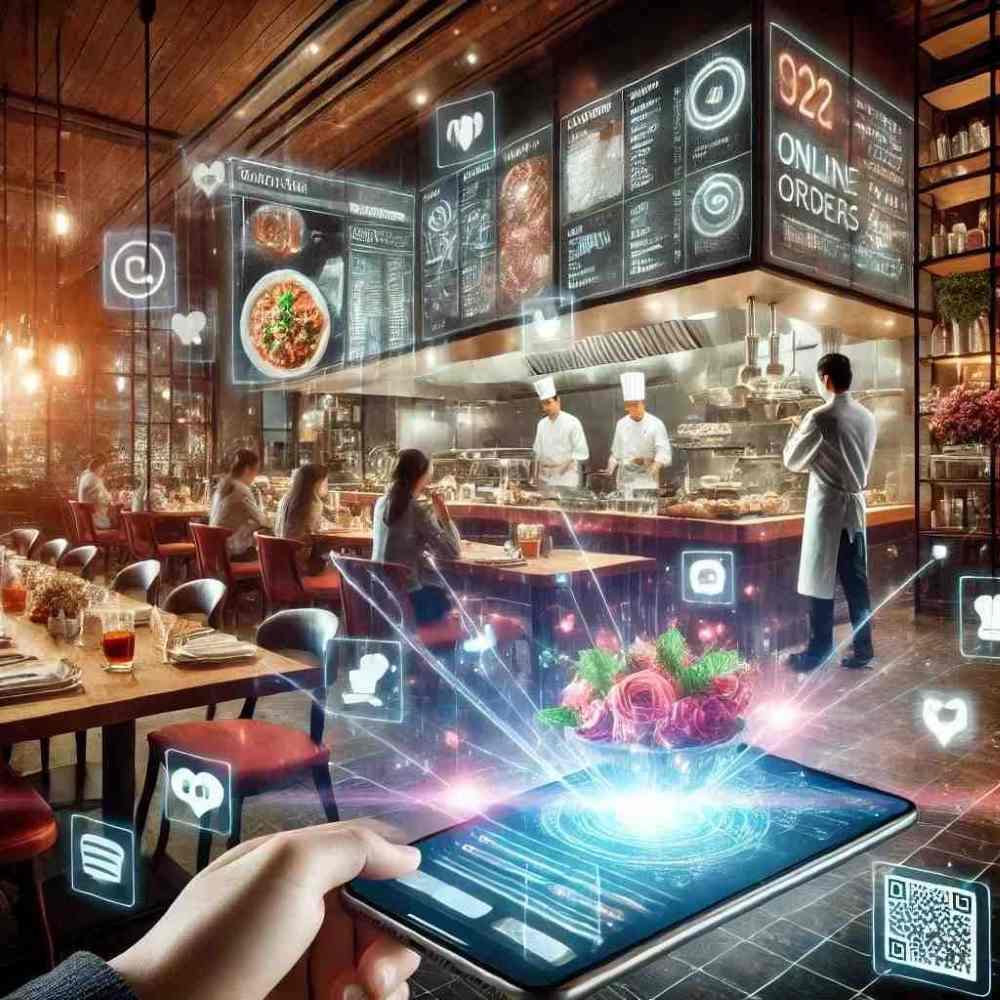


As the world increasingly shifts towards digital transformation, the restaurant industry is embracing a host of new payment trends designed to offer customers faster, easier, and more seamless transactions. The summer season, which often sees a surge in outdoor dining, festivals, and vacations, presents the perfect opportunity for restaurants to adapt to these changes. In 2026, the focus on contactless payments, mobile wallets, and frictionless experiences is setting the stage for a new era of dining convenience.
The Rise of Contactless Payments
For years, contactless payments have been a growing trend, but they have become a necessity in the wake of the COVID-19 pandemic. Diners are increasingly seeking payment solutions that minimize physical contact and speed up the transaction process. Contactless payments, which allow customers to tap their credit or debit card, mobile wallet, or smartwatch, have exploded in popularity, and the trend shows no sign of slowing down.
For restaurant owners, contactless payments offer several advantages beyond customer convenience. With quicker transactions, businesses can serve more customers in less time, maximizing sales and improving overall efficiency during peak hours. This is especially important during the summer when restaurant traffic tends to be high. Additionally, by reducing the time spent handling cash or swiping cards, servers can focus on delivering a more personalized experience for customers, improving overall satisfaction.
Mobile Wallets: The Future of Payments
One of the most significant payment innovations over the last few years is the widespread adoption of mobile wallets such as Apple Pay, Google Pay, and Samsung Pay. These platforms enable diners to pay using their smartphones, eliminating the need for physical cards or cash. With mobile wallet usage soaring in 2026, restaurants are taking full advantage of the benefits these technologies offer.
Mobile wallets allow diners to store their payment methods securely in one place, streamlining the payment process. For restaurant operators, this means faster transactions and reduced risk of fraud since mobile wallet payments use tokenization and biometric security to safeguard transactions. These wallets also support loyalty programs, enabling customers to earn points, discounts, or rewards directly through their mobile devices. As loyalty programs become more integrated with mobile payment systems, restaurants can better track customer preferences and incentivize repeat visits.
The ease of use and security of mobile wallets make them especially appealing in tourist areas or high-traffic zones where diners may prefer not to carry large amounts of cash or worry about foreign currency exchange. Restaurants that offer mobile wallet payments attract a broad spectrum of customers, from tech-savvy locals to international visitors who may prefer this convenient and secure payment method.
Frictionless Dining: Streamlining the Experience
While contactless payments and mobile wallets have already streamlined the payment process, frictionless dining experiences are taking the convenience factor to the next level. Frictionless dining refers to a dining experience where payments, orders, and customer interactions are simplified to the point that they require little to no physical effort. From digital ordering systems to automated bill splitting, restaurants are embracing seamless technology to enhance the guest experience.
QR code-based menus are a prime example of frictionless dining. Diners simply scan a QR code with their phone to view the menu, place their order, and even pay—all from their mobile device. This eliminates the need for servers to physically hand over a menu, take orders, or bring the check. For restaurants, it significantly reduces labour costs while improving the speed and accuracy of orders.
Similarly, order-ahead and pay-ahead apps are becoming the norm, allowing customers to place and pay for their orders before they even arrive at the restaurant. This is especially useful in busy summer months when people are looking for convenient dining options that don’t require long wait times. For restaurant owners, order-ahead technology helps manage customer flow more efficiently, ensuring a smooth, consistent dining experience.
Digital Payment Platforms and Loyalty Integration
In addition to mobile wallets and contactless payments, digital payment platforms are increasingly integrated with loyalty programs. Customers can now earn rewards or receive discounts directly through the payment platform, which enhances their overall experience and encourages repeat visits. Many restaurants have adopted integrated payment solutions that automatically apply loyalty points or provide tailored promotions based on past purchasing behaviour.
For instance, a diner may receive a notification on their mobile wallet app offering them 10% off their next meal if they use the same payment method. These types of personalized promotions make it easier for customers to feel rewarded for their loyalty, and the convenience of applying rewards directly through mobile wallets or contactless payments adds another layer of customer satisfaction.
Enhanced Security with Biometric Payments
Security remains a top concern for diners using digital payment methods. However, advancements in biometric technology are making digital payments more secure than ever. Facial recognition and fingerprint authentication are becoming more widely used in mobile wallets and ATMs, offering a higher level of security for customers.
For restaurants, offering these secure payment methods builds trust with customers, especially those who are cautious about using mobile wallets or contactless cards. With biometric payments, customers can rest assured that their personal information and financial details are protected by the latest technology, making them more likely to adopt digital payments during their visits.
Preparing for the Future: Why Restaurants Should Adapt
The trends driving the future of payments in the restaurant industry are all centred around speed, convenience, and security. Summer 2026 presents an opportunity for restaurant owners to embrace these technologies and offer seamless dining experiences that cater to the evolving preferences of consumers. As diners increasingly expect fast, frictionless, and contactless transactions, restaurants that adapt to these changes will not only improve operational efficiency but also create a more pleasant and efficient experience for their customers.
By incorporating these payment trends, restaurants can stay ahead of the curve and ensure that they are meeting the needs of today’s modern diner. With technology rapidly advancing, the dining experience will only continue to evolve, making it crucial for restaurants to remain adaptable and innovative in their approach to payment solutions.


