


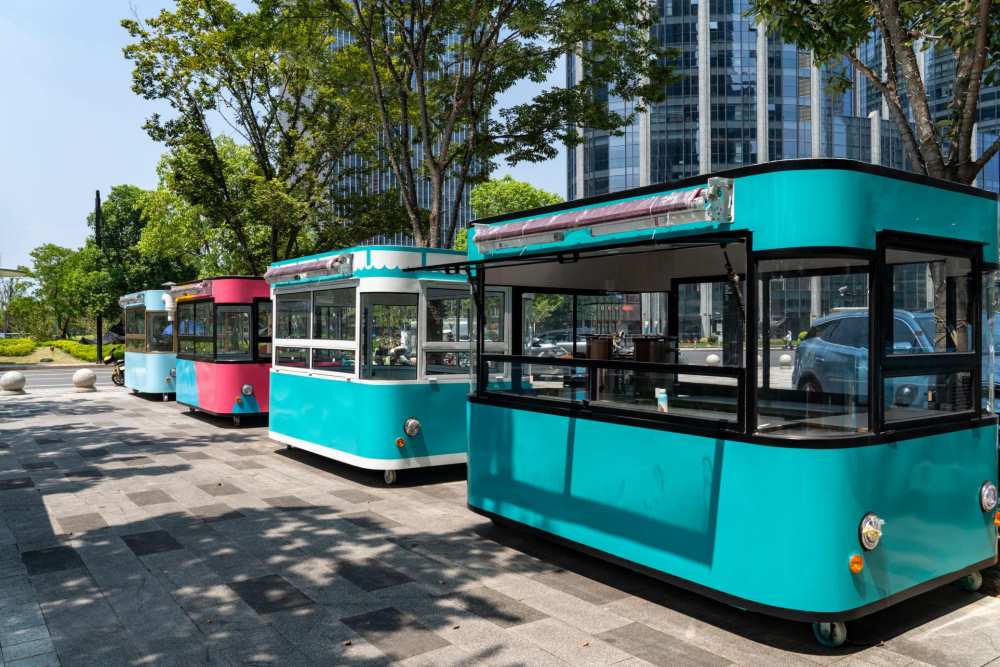


In an age where convenience is king, the foodservice industry is evolving to meet the demands of today’s on-the-go consumers. One of the most significant shifts has been the rise of mobile dining and delivery fleets—concepts that are redefining how customers access their favourite meals. Whether it’s a food truck rolling through the city or a delivery fleet bringing hot meals to your doorstep, these mobile solutions are becoming central to the future of dining.
As more consumers seek convenience, variety, and flexibility, foodservice businesses are turning to mobile models to capture a larger share of the market. From mobile kitchens to cloud kitchens and fleet-based delivery models, the food industry is embracing mobility in innovative ways. In this article, we’ll explore the rise of mobile dining and delivery fleets, why they’re gaining traction, and how they’re reshaping the dining experience.
The Growth of Food Trucks: A Taste of Mobility
Food trucks have been around for decades, but their popularity has skyrocketed in recent years, thanks to the increasing demand for convenient, affordable, and gourmet food options. These mobile kitchens offer a wide range of cuisines, from tacos and burgers to vegan bowls and specialty desserts, all served with the convenience of not having to step into a restaurant.
The appeal of food trucks is rooted in their ability to serve high-quality meals in pop-up locations. For consumers, this means access to great food without the hassle of long wait times or reservations. For restaurant owners, food trucks provide the opportunity to reach a broader audience, reduce overhead costs, and test new concepts with minimal investment.
Food trucks are also incredibly adaptable. They can operate at events, street corners, festivals, and corporate offices, creating multiple revenue streams. Their mobility allows food vendors to tap into high-footfall areas and seasonal markets, where the demand for quick, satisfying meals is high. For entrepreneurs, food trucks also offer flexibility in terms of low startup costs compared to opening a brick-and-mortar restaurant.
Cloud Kitchens: The Digital Age of Mobile Dining
While food trucks provide a physical mobile dining experience, cloud kitchens are taking the mobile concept to new heights in the digital world.
The rise of third-party delivery apps like Uber Eats, Grubhub, and DoorDash has propelled the cloud kitchen model. These kitchens allow restaurants to fulfill delivery orders without the overhead of managing a full-service dining experience. With delivery-only concepts, restaurants can save on rent, staff, and utilities, which makes cloud kitchens particularly appealing to those looking to scale quickly or enter new markets without the financial burden of opening new locations.
Cloud kitchens can operate out of shared facilities, allowing multiple brands to share the space and equipment, thus cutting costs. For food operators, this setup opens the door to multiple revenue streams, where a single cloud kitchen can serve different cuisines or delivery-only restaurant concepts under one roof. This flexibility is especially advantageous in urban areas where real estate prices are high, and demand for delivery food is growing exponentially.
Delivery Fleets: Bringing the Food to You
The delivery fleet model has become an essential component of the mobile dining and delivery ecosystem. From restaurants with dedicated delivery drivers to dedicated food delivery services, fleets are playing an increasingly vital role in ensuring customers receive their meals promptly and efficiently.
The success of food delivery fleets lies in their ability to provide fast and reliable service. Delivery companies like DoorDash, Uber Eats, and Postmates have established fleets of independent drivers who use cars, bikes, and even scooters to bring food from kitchens to customers. This infrastructure allows restaurants to scale their operations without having to manage delivery logistics directly.
For many restaurants, partnering with established delivery fleets allows them to reach more customers and increase their delivery volume without the burden of handling their own fleet. However, some restaurants have chosen to create their own in-house delivery teams, offering a more personalized service and maintaining full control over the delivery experience.
Technology: The Backbone of Mobile Dining & Delivery
Technology plays a pivotal role in the success of mobile dining and delivery fleets. Ordering apps, GPS tracking, and payment gateways are just some of the technological advancements that help streamline the entire process, from food preparation to delivery.
- Mobile ordering apps enable customers to place orders with ease, browse through menus, and track their delivery in real-time. These apps often integrate customer data to offer personalized recommendations, rewards, and loyalty programs that enhance the customer experience.
- GPS tracking helps delivery drivers find the quickest routes and enables customers to track their food in real time, providing transparency and reducing delivery times. This technological integration improves efficiency and minimizes delays during peak hours.
- Delivery management software allows restaurant operators to optimize delivery schedules, manage drivers, and monitor order statuses. By automating the scheduling process and tracking deliveries in real time, restaurants can ensure a smooth operation even during busy periods.
Sustainability and Environmental Impact
As with any industry, sustainability is becoming an important consideration in mobile dining and delivery. Eco-conscious consumers are pushing foodservice businesses to adopt greener practices, from sustainable packaging to carbon-neutral delivery options.
For delivery fleets, there is an increasing demand for the use of electric vehicles (EVs) or bikes instead of traditional cars and trucks, which contribute to a smaller carbon footprint. Additionally, cloud kitchens are reducing food waste by utilizing data analytics to forecast demand and minimize overproduction.
As mobile dining and delivery continue to grow, businesses that prioritize sustainable practices will not only meet customer expectations but also gain a competitive edge in an increasingly eco-conscious marketplace.
The Future of Mobile Dining & Delivery Fleets
The future of mobile dining and delivery fleets is bright, with opportunities for innovation in technology, sustainability, and customer service. As consumer preferences shift toward convenience, flexibility, and on-demand access to food, the mobile dining model will only continue to grow.
In the coming years, we can expect to see more robotic delivery systems, AI-powered order management systems, and automated kitchens that will further streamline operations and improve efficiency. With the increasing demand for delivery-only concepts and mobile dining options, the foodservice industry is entering an exciting era of innovation, offering more accessible, convenient, and diverse dining experiences for consumers everywhere.
A New Era in Dining Convenience
From food trucks serving up gourmet meals to cloud kitchens fulfilling delivery orders, the rise of mobile dining and delivery fleets is reshaping the foodservice industry. These innovations offer convenience, cost efficiency, and scalability, enabling restaurants to meet the ever-growing demand for fast and convenient dining experiences. As the trend continues to grow, it’s clear that mobile dining and delivery fleets are here to stay, transforming how we think about foodservice and changing the way we dine on the go.


