


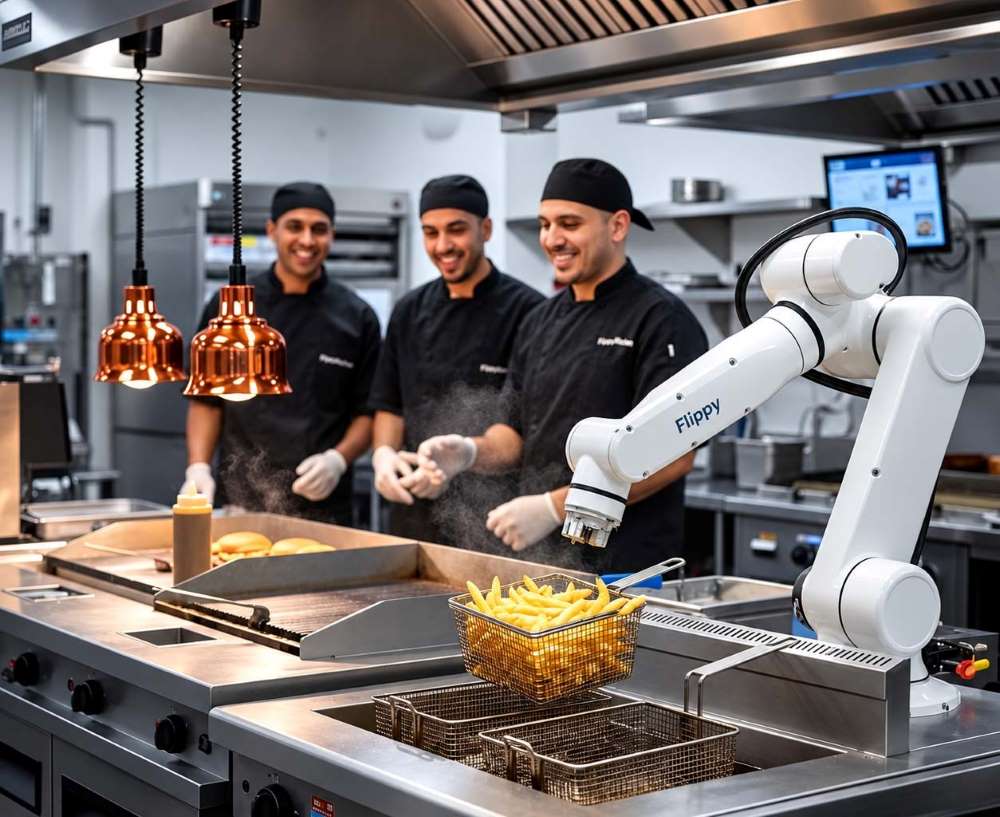


The foodservice industry is evolving rapidly, fueled by advances in technology that are streamlining operations, enhancing customer experiences, and improving profitability. At the heart of these changes are smart kitchens and connected dining systems—innovations that are reshaping the way restaurants operate. As we enter the next phase of the digital transformation, technology is not just a tool but a driving force behind increased efficiency and convenience. From automated cooking equipment to cloud-based management systems, here’s a deep dive into how IT innovations are transforming the foodservice landscape. A smart kitchen is no longer just a concept but a reality for many forward-thinking restaurants. These kitchens are equipped with connected devices and intelligent systems that allow operators to optimize food preparation, improve consistency, and reduce waste. Smart kitchens use a combination of IoT (Internet of Things) sensors, cloud computing, and artificial intelligence (AI) to manage every aspect of kitchen operations in real time.
Devices such as smart ovens, refrigerators, and cooking equipment can now be connected to a centralized system, allowing restaurant managers to monitor the status of each piece of equipment remotely. For example, smart ovens can automatically adjust temperature and cooking time based on the type of dish, reducing human error and ensuring that meals are prepared consistently every time.
Additionally, inventory management is being streamlined with smart sensors that track stock levels and provide real-time updates to kitchen staff. RFID technology can track ingredients from delivery through to their use in the kitchen, allowing managers to keep a precise record of what’s in stock and when to reorder. This eliminates waste and reduces the chance of running out of key ingredients during peak hours.
AI-Powered Cooking: Efficiency and Consistency
One of the most significant technological advancements in the smart kitchen is the integration of artificial intelligence (AI). AI-driven systems can analyze large amounts of data and make decisions in real time, allowing kitchens to improve efficiency and reduce human error.
AI-powered cooking equipment, such as robotic chefs or automated fryers, can help reduce labour costs and increase speed during peak service times. These machines can learn from previous cooking sessions, adjusting temperatures, cooking times, and processes to optimize performance. With AI, kitchens can predict demand, adjusting cooking schedules to ensure the right amount of food is prepared without overproduction, reducing waste and maximizing profits.
Beyond cooking, AI systems are also enhancing the predictive maintenance of kitchen equipment. Instead of waiting for equipment to break down, AI can predict when maintenance is required based on usage patterns and environmental data. This proactive approach ensures that kitchen operations remain smooth and costly repairs are avoided.
Cloud-Based Management for Seamless Operations
In addition to smart kitchen equipment, cloud-based management systems are playing an essential role in the evolution of foodservice operations. These systems enable restaurant owners and managers to control and monitor all aspects of their business from anywhere in the world, using just a smartphone, tablet, or laptop.
A key benefit of cloud-based systems is the ability to manage inventory, staffing, menu design, and customer data in real-time. Restaurant operators can track inventory levels, review order histories, and make adjustments to the menu based on customer preferences or sales trends—all from a single interface. Data analytics provided by these platforms help restaurants optimize their operations, ensuring that they are always prepared to meet customer demand efficiently.
Cloud systems also provide a centralized database, allowing restaurants with multiple locations to maintain consistency in menu items, pricing, and promotions. This means that managers can make changes across all branches instantly, ensuring uniformity in service and offerings.
Connected Dining: Enhancing Customer Experience
While smart kitchens help restaurants improve efficiency in the back of house, connected dining technologies are transforming the customer experience in the front of house. The growing popularity of contactless dining, QR code menus, and mobile ordering apps has been fueled by the demand for more convenient and personalized experiences.
In many modern restaurants, customers can browse the menu, place orders, and pay directly from their smartphones. QR codes placed on tables or menus allow customers to view digital menus, reducing the need for physical contact with servers and minimizing wait times. This is particularly beneficial in post-pandemic dining environments, where safety and hygiene are top priorities.
Mobile ordering apps are also driving a significant change in how customers interact with restaurants. These apps allow diners to place orders ahead of time, either for pickup or delivery, offering a level of convenience that traditional ordering methods simply can’t match. Furthermore, these apps enable personalized recommendations based on customer data, such as previous orders and dietary preferences, creating a more tailored dining experience.
Integrating Online and In-House Ordering
The shift toward connected dining is also helping restaurants seamlessly integrate their in-house dining experience with online ordering platforms. Many restaurants are adopting omnichannel ordering systems, where customers can place orders via a website, mobile app, or in person at the restaurant, all while maintaining a consistent experience across all channels.
By using a unified system, restaurants can easily track and manage orders, whether they are being placed in-house or for delivery. These systems automatically update inventory and ensure that kitchens are preparing the correct dishes based on the orders received, reducing errors and improving customer satisfaction.
Data-Driven Decision Making: Leveraging Customer Insights
Data analytics is one of the most powerful tools driving IT innovation in the foodservice industry. Restaurants are now able to gather and analyze vast amounts of customer data from various touchpoints, including mobile apps, loyalty programs, online ordering systems, and social media.
With this data, restaurants can personalize marketing efforts, adjust menus based on customer preferences, and track real-time performance metrics. For example, point-of-sale (POS) systems integrated with analytics tools can provide insights into peak dining hours, popular dishes, and customer spending patterns, enabling restaurant managers to make more informed decisions about staffing, inventory, and promotions.
The Future of Foodservice: A Tech-Enabled Revolution
As the restaurant industry continues to embrace smart kitchen technologies and connected dining systems, it’s clear that the future of foodservice is tech-enabled. These innovations are driving operational efficiencies, improving customer satisfaction, and helping restaurants navigate the challenges of an increasingly competitive market. In the experience economy, where customers demand more personalized, efficient, and enjoyable experiences, adopting IT innovations is no longer a luxury—it’s a necessity.
With the integration of cloud-based platforms, AI-driven kitchens, and seamless customer interactions, restaurants can stay ahead of the curve, offering guests a dining experience that’s not only convenient but also innovative. The fusion of foodservice and technology is setting the stage for a new era, one where every aspect of the dining experience is streamlined, connected, and powered by the latest in IT advancements.


